A prevention-first approach to responsible reforestation in Ghana
Ghana’s galamsey crisis has shown how quickly forests, farms and water systems can be damaged when land is left unprotected. Mamuci’s concession is not affected by active illegal mining. Nevertheless, the wider national threat means that prevention must be built into responsible reforestation from the beginning.
Mamuci’s approach is not to wait for degradation and then attempt to repair it. It is to safeguard the landscape before it is threatened: securing land rights, establishing clear boundaries, maintaining a visible local presence, creating legitimate local livelihoods and working with the institutions responsible for forest protection and law enforcement.
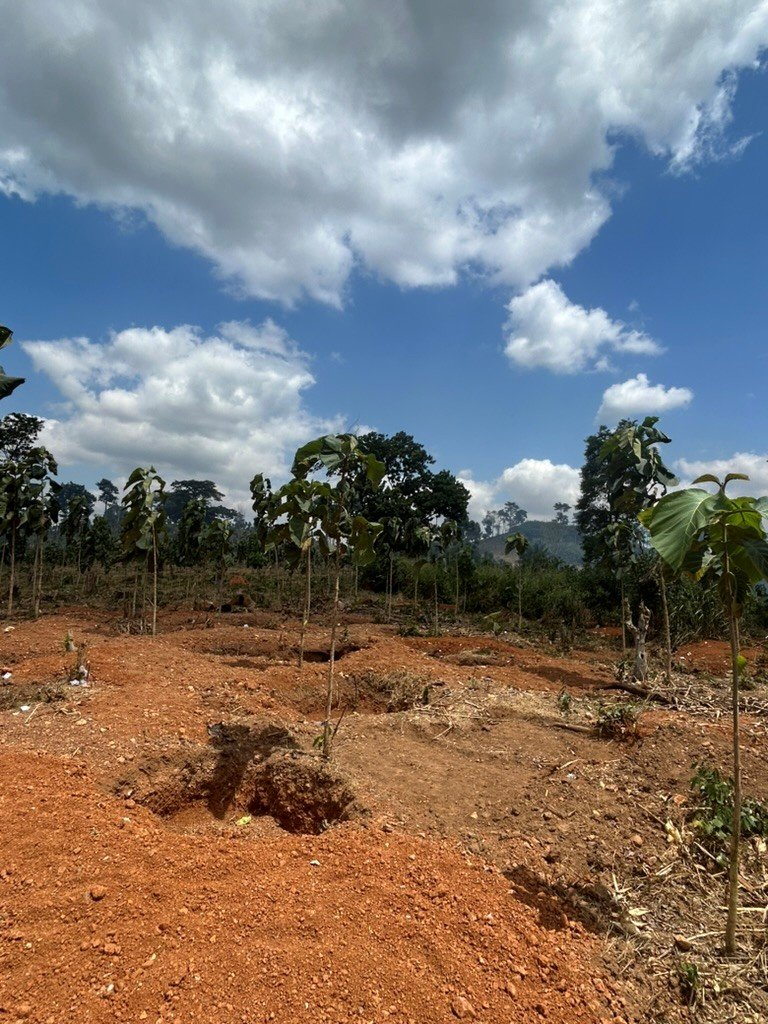
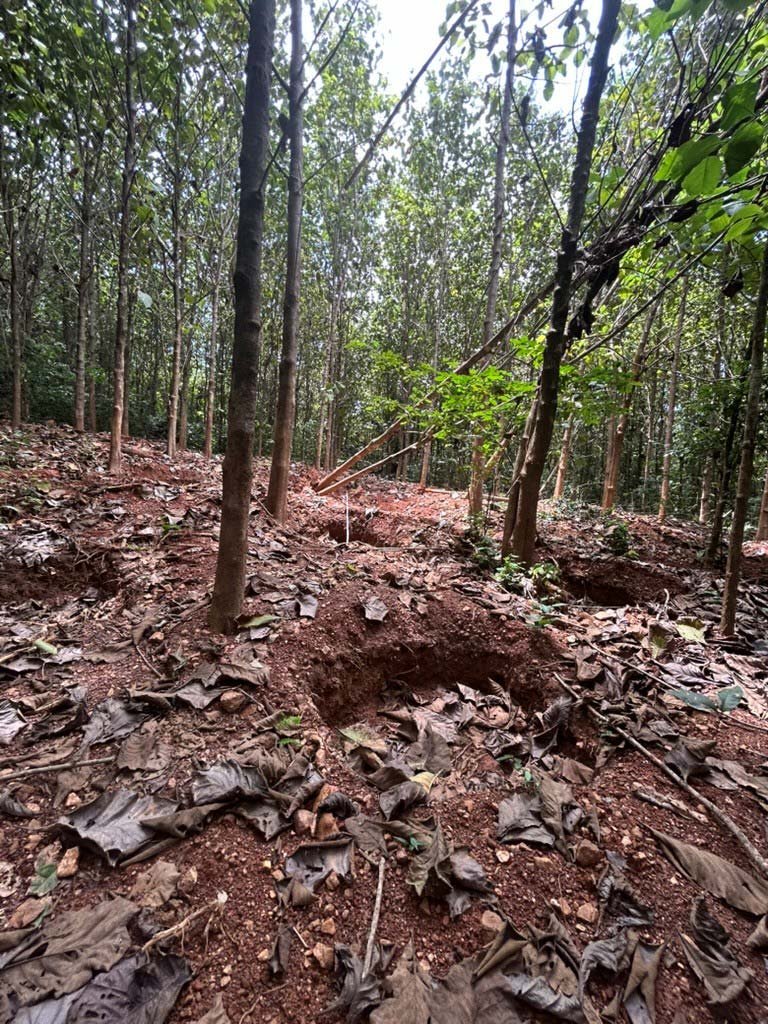
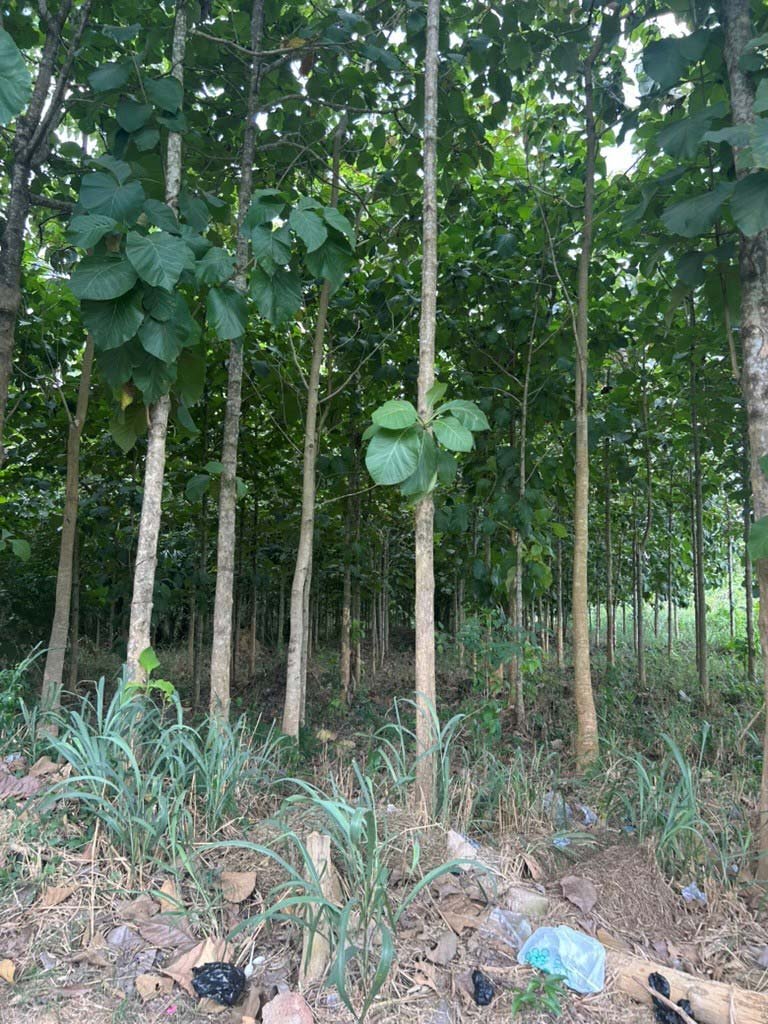
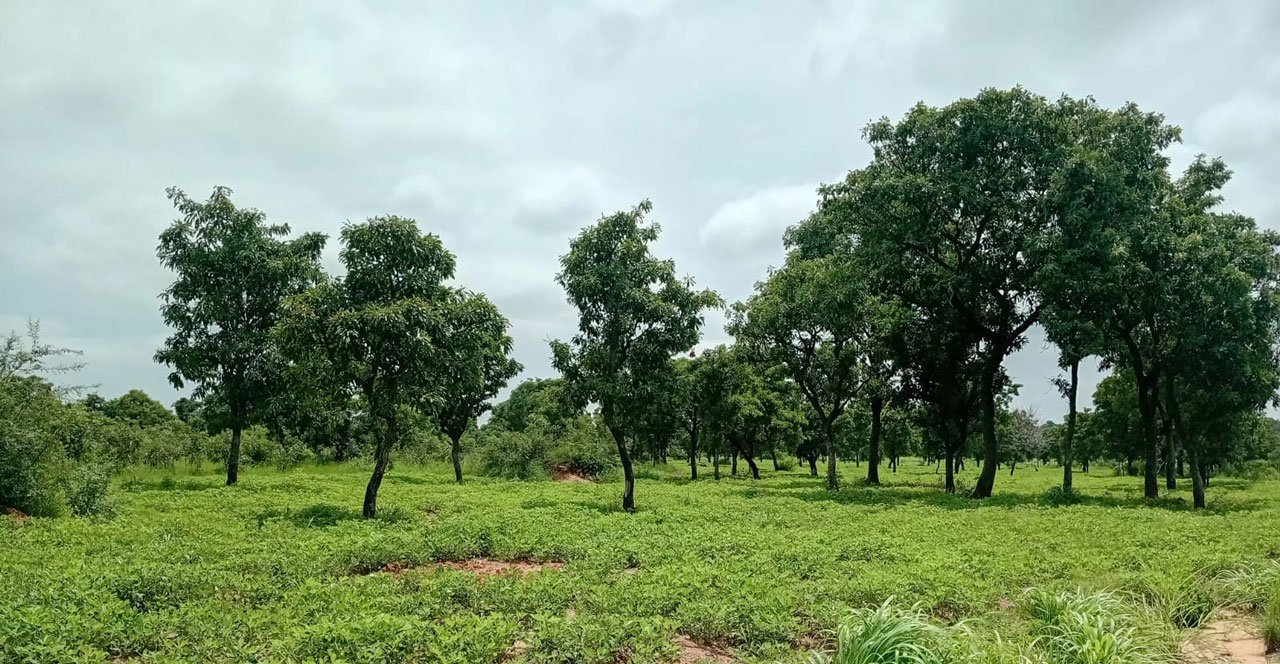
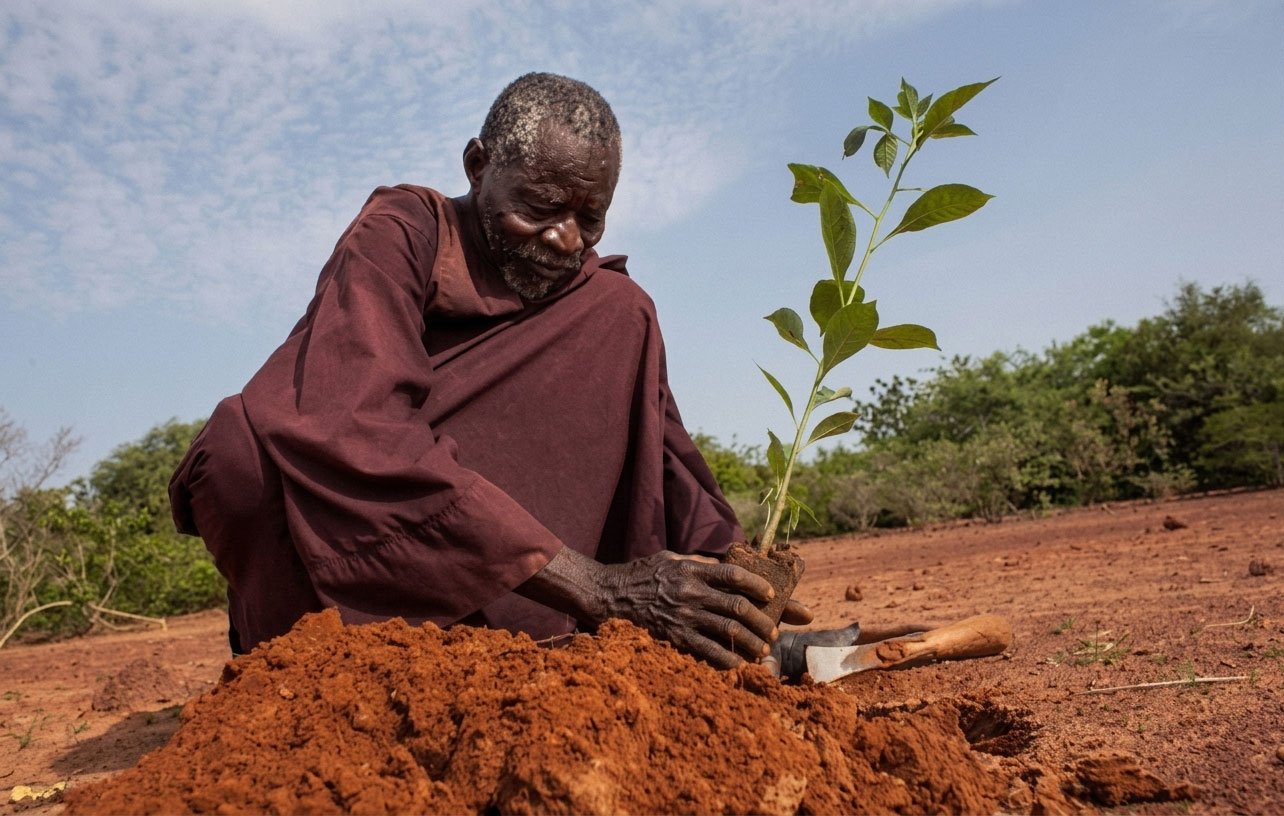
Reforestation is therefore more than planting trees. It is the creation of a well-governed, economically useful and socially supported landscape in which illegal mining has no legitimate space to take hold.
Why Prevention Comes First
Galamsey can expand where boundaries are uncertain, land is underused, monitoring is infrequent and communities have few dependable alternatives for income. Once excavation begins, trees are cleared, topsoil is disturbed, pits are opened and watercourses may be polluted. Prevention is less costly and more protective of people, water and biodiversity than trying to repair this damage later.
For a long-term agroforestry and reforestation enterprise, anticipating risk is part of good land management. The question is whether land, communities, systems and partnerships are strong enough to prevent illegal mining from emerging.
Securing Land and Boundaries
The first defence is clear land control. Before planting begins, Mamuci will maintain documented tenure arrangements and a clear management mandate agreed with landowners, traditional authorities, community representatives and local government. Agreements should define the project area, GPS-referenced boundaries, permitted activities, benefit-sharing arrangements and the prohibition of unauthorised prospecting, mining, excavation and heavy-equipment access.
Physical markers, visible signboards, mapped buffer zones and maintained boundary lines are practical safeguards. They create clarity for neighbouring communities and make possible encroachment easier to identify and report. Areas near rivers, established mining districts, known gold-bearing formations or major access routes should receive greater vigilance.
Making Standing Forests Valuable
A landscape is more secure when nearby communities have a tangible interest in its survival. If restoration land is seen only as restricted or unused space, illegal mining may remain attractive. If it creates regular work, skills, lawful income and shared long-term value, local people have stronger reasons to protect it and raise an alarm when threats appear.
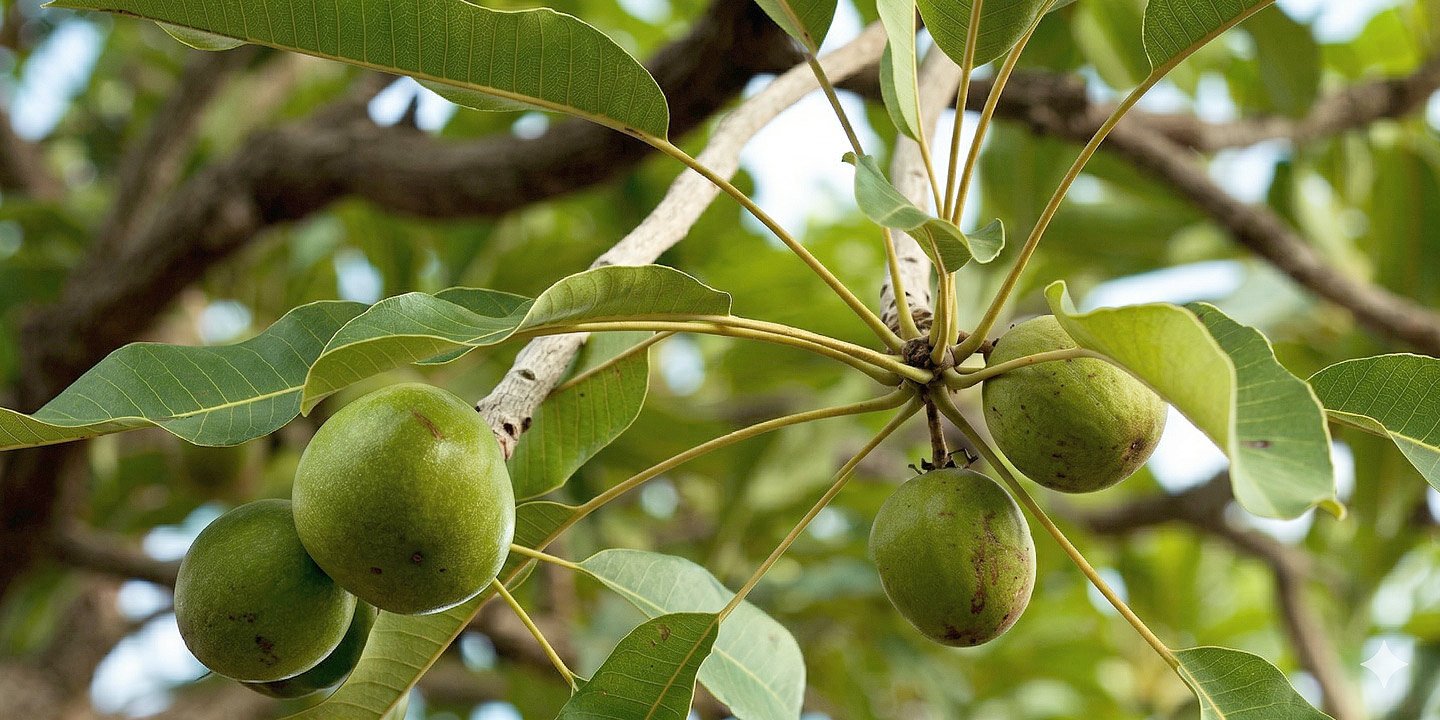
Mamuci can build that stake through community nurseries, seed collection, planting, maintenance, fire management, beekeeping and forest-monitoring roles. Where appropriate, agroforestry zones can support fruits, non-timber forest products, bamboo, carefully managed crops during establishment and future timber or carbon opportunities. River buffers, wetlands, steep slopes and biodiversity-rich areas should remain protected conservation and restoration zones.
A Permanent Presence and Early Warning
Planting day cannot be the end of involvement with the land. Mamuci should establish continuous stewardship through locally recruited forest stewards or community rangers. Their work can include checking boundaries and access routes, monitoring river corridors, supporting seedling-survival surveys, maintaining firebreaks and engaging nearby communities.
They should be trained to recognise and safely report early warning signs: new tracks, land clearing, fuel storage, unusual surveying, machinery movement, fresh excavation or unapproved activity around streams. GPS locations, photographs, dated incident records and a WhatsApp reporting channel can allow information to reach Mamuci managers and public authorities quickly.
Drones, periodic satellite imagery and geo-tagged field monitoring can add evidence, especially for large or high-risk areas. Technology cannot replace people on the ground, but it can help detect change early.
Controlling Access and Working With Authorities
Illegal mining depends on access for people, excavators, pumps, fuel, water and ore transport. Mamuci’s land-management plan should identify vehicle entry points, tracks, river crossings and other access corridors. Where lawful and appropriate, controlled gates, barriers, live fencing, signage and restored vegetation can reduce uncontrolled entry. Community stewards should observe, document and report—not confront organised or armed groups.
Mamuci is working from project inception with chiefs and landowners, district assemblies, the Forestry Commission, police, environmental authorities and relevant security structures. Clear contacts, escalation procedures and periodic joint reviews are more effective than informal action after a threat develops.
The Forestry Commission’s Tree for Life programme combines afforestation and agroforestry with rehabilitation of land degraded by illegal mining. Forest-protection and checkpoint camps in vulnerable reserves are also intended to strengthen surveillance and rapid response to illegal mining, encroachment and related threats.
Reforestation as Protection
Mamuci’s concession is not a galamsey site. Its opportunity is to show what responsible prevention looks like before damage occurs: clear tenure, effective boundaries, productive community partnerships, permanent site stewardship, early-warning systems, controlled access and cooperation with the agencies mandated to protect Ghana’s forests.
Trees alone cannot prevent galamsey. But a forest and agroforestry landscape that is well governed, economically useful, continuously monitored and locally valued is harder to invade and easier to defend. Through this approach, Mamuci can make reforestation a practical investment in water security, livelihoods, biodiversity and the long-term productive value of Ghana’s land.
Source Notes
- Forestry Commission and Ministry of Lands and Natural Resources: Tree for Life, forest protection and anti-illegal-mining initiatives.
- Ghana Forest and Wildlife Policy: forest management planning and protection of forest resources.
- Government reporting on forest-protection and checkpoint camps supporting surveillance and response in vulnerable reserves.