Shea is one of Ghana’s most valuable natural resources, and its promise is only beginning to be fully recognized. In the Savannah region, where the trees are deeply rooted in the landscape and in daily livelihoods, shea is more than a seasonal commodity. It is a source of income, resilience, and opportunity for communities that have long depended on the land.
At Mamuci, we see shea as part of a bigger story: the move from raw resource extraction to local value creation. That shift matters because the real wealth in agriculture is not only in production, but in what happens after harvest. When a product is processed, packaged, branded, and moved into higher-value markets, it creates more jobs, stronger businesses, and better futures.
A sector with real momentum
The shea industry is changing. Across Ghana and the wider market, demand for shea butter, cosmetic ingredients, and other processed shea products continues to grow. At the same time, there is increasing pressure to stop exporting raw nuts and to build more local processing capacity. That is a major opportunity for Ghana, especially as policy and investment attention begin to align around value addition.
This shift is important because it changes who benefits. A raw commodity model keeps most of the value outside the producing communities. A processing-led model keeps more income at home, supports local enterprise, and opens the door for stronger rural industrial growth. For a country seeking inclusive development, that difference matters.
Why the Savannah region matters
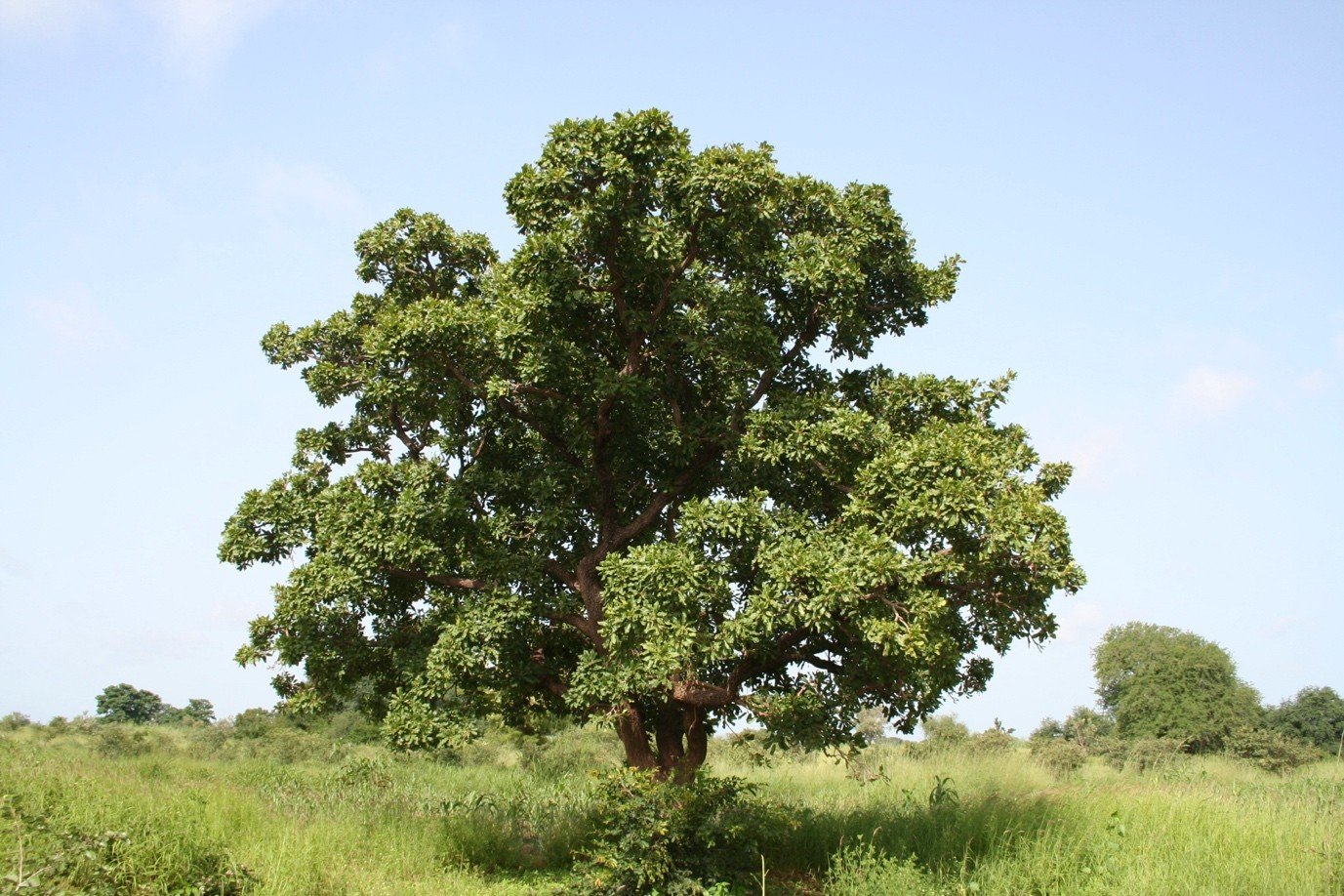
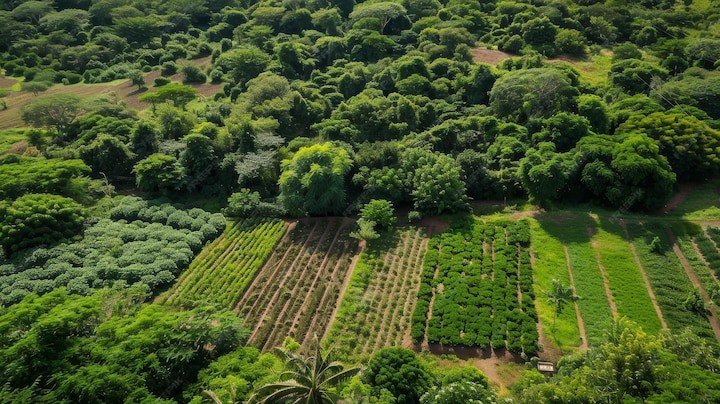
The Savannah region sits at the centre of Ghana’s shea economy. Shea trees thrive in the northern savannah parklands, where they grow naturally alongside farms and settlements. For many households, especially women, the tree is part of both the environment and the economy. It provides seasonal income, supports household needs, and connects rural communities to wider markets.
This geographic reality makes the Savannah region especially important to the future of shea. If the goal is to grow the sector responsibly, then investment must happen where the resource is strongest. That means better collection systems, improved drying and storage, local processing facilities, and stronger links between producers and buyers. It also means helping communities move from harvesting to ownership in the value chain.
A resource in transition?
One of the most interesting questions about shea is whether it should be seen as a wild tree resource or a true tree crop. Traditionally, shea has been managed as a semi-wild species in parkland systems, protected by custom and land use rather than by plantation farming. But that view is evolving.
Today, more people are beginning to treat shea as a tree worth planting, improving, and managing deliberately. That opens new possibilities for domestication, regeneration, and long-term productivity. It also strengthens the case for conservation, because the best future for shea is not only in harvesting existing trees, but in protecting and expanding the resource for future generations.
Value addition changes the story
The strongest case for shea’s future lies in value addition. Raw nuts are only the starting point. Once shea is processed into butter, oil, cosmetic ingredients, or branded consumer products, its economic value increases significantly. That means better margins, more stable business models, and greater room for local entrepreneurs to grow.
This is where the transformation becomes real. Value addition creates space for women’s groups, youth-led enterprises, small processors, and rural manufacturing. It also helps build a more resilient economy, one that is less dependent on exporting raw materials and more focused on building local capability.
For the Savannah region, this could be a game changer. A stronger shea value chain can support incomes, strengthen communities, and create new pathways for rural industrialization. It can also help reposition the region not just as a source of raw nuts, but as a centre of production, innovation, and trade.
Why green gold fits
So, is shea Ghana’s next green gold? It very well could be. The tree is already there. The market is growing. The policy direction is shifting. What remains is the discipline to build the right systems around it.
At Mamuci, we believe this is the kind of opportunity Ghana should take seriously: a natural resource with deep roots in local communities, strong potential for value addition, and the power to improve livelihoods at scale. If managed well, shea can become more than a traditional savannah tree. It can become a foundation for enterprise, dignity, and long-term prosperity.