Carbon Credit, Carbon Neutral, Carbon Zero: Understanding the Difference (With Real Examples)
Climate conversations often use terms like carbon credit, carbon neutral, and carbon zero as if they mean the same thing. In reality, they represent very different steps on the pathway to reducing global emissions. This article explains each concept clearly, uses relatable examples, and highlights how Mamuci is helping to restore Ghana’s Savannah landscape through reforestation, clean energy, and low-emission land management.
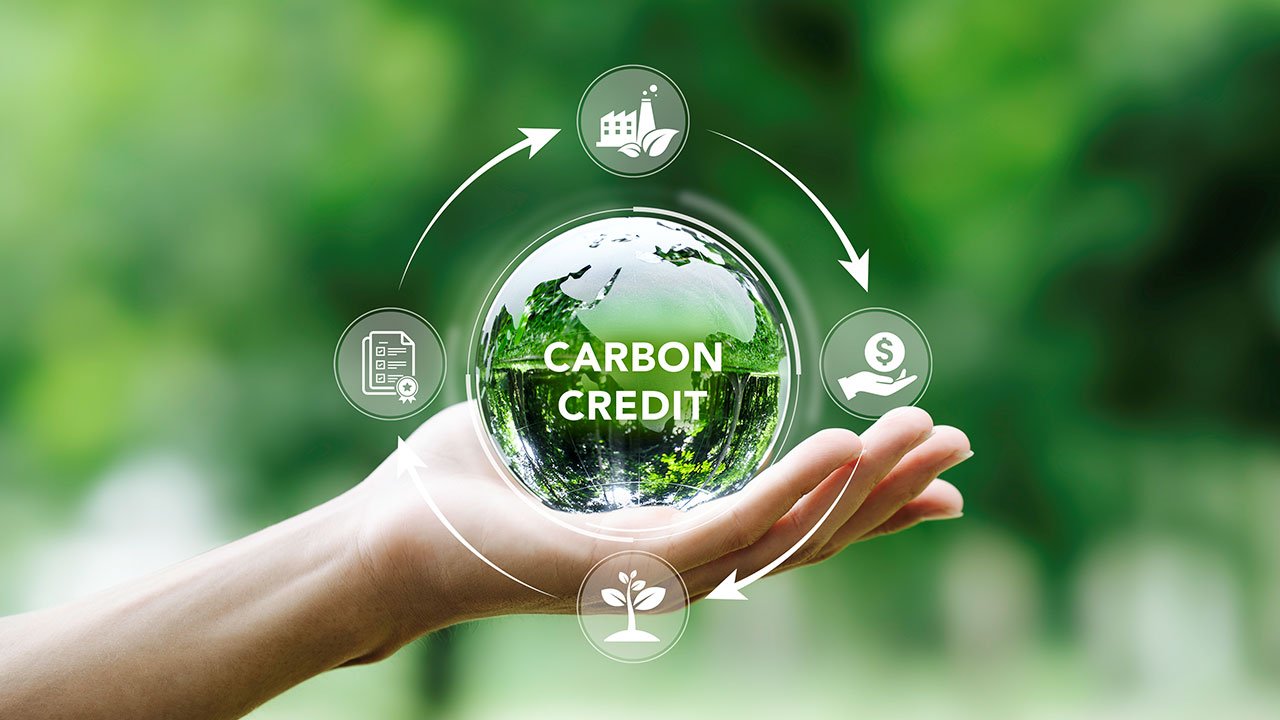
- Carbon Credits: Funding Real Emission Reductions
A carbon credit represents one tonne of CO₂ reduced or removed from the atmosphere. These credits are created by projects that directly avoid emissions or store carbon long-term.
Real-life example
In Northern Ghana, clean cookstove programmes reduce charcoal consumption. Each efficient stove cuts fuel use and avoids emissions that would otherwise come from burning wood. The saved emissions are measured and verified, generating carbon credits that companies can purchase to compensate for their own footprint.
Carbon credits are produced through a range of activities, including:
- Solar farms replacing diesel and grid power
- Reforestation and landscape restoration
- Biochar production and soil carbon storage
- Improved household cookstoves
- Organic methane capture or reduction through controlled composting
- No-burn land management, where biomass is retained, mulched, or converted rather than burnt
Why carbon credits are necessary
Even with rapid advances in technology, some emissions cannot yet be eliminated. Industries such as aviation, shipping, steel, cement, agriculture, and large-scale logistics rely on processes that will remain carbon-intensive for years. Carbon credits allow these organisations to take responsibility for unavoidable emissions while pursuing long-term decarbonisation.
Equally important, carbon credits finance climate solutions. Many restoration, biochar, clean cooking, and methane-reduction projects depend on carbon revenue to operate. In rural Africa, carbon finance often provides the only sustainable funding model for large-scale environmental projects. Without carbon markets, many high-impact climate programmes would not materialise.
- Carbon Neutral: Balancing What You Emit
An organisation is carbon neutral when it measures its emissions, reduces them internally, and then offsets the remainder using verified carbon credits. The result is a balanced, or net-zero, climate impact for a defined period.
Real-life example
A hotel in Accra improves its cooling systems, switches to LED lighting, reduces waste, and installs efficient equipment. After these actions, it still emits 2,000 tonnes of CO₂. By purchasing 2,000 carbon credits from a Ghanaian reforestation initiative, the hotel becomes carbon neutral.
Carbon neutrality is a common interim target for companies that are beginning their sustainability journey.
- Carbon Zero (Net Zero): Eliminating Emissions Almost Completely
Carbon Zero, or Net Zero, goes further than carbon neutrality. It requires an organisation to eliminate emissions across its full operations and supply chain as far as current technology allows. Only the residual emissions that cannot realistically be removed are offset through high-quality carbon credits.
Real-life example
A food-processing factory installs a solar power system, electrifies its fleet, redesigns its packaging supply chain, and recovers waste heat. These changes reduce emissions by about 98 percent. The small remainder is offset using removal-based carbon credits, enabling the factory to reach Carbon Zero.
Mamuci’s Contribution to Carbon Reduction and Removal
Mamuci is implementing a long-term, landscape-scale carbon programme in Ghana’s Savannah Region. The initiative is built on reforestation, agroforestry, wild and plantation shea restoration, biochar production, and regenerative land management. A company-wide no-burn policy ensures that plant material is never burned but converted into biochar, compost, mulch, or other soil-enhancing products.
Mamuci is also developing organic methane-reduction practices, including controlled composting and assisted fermentation of biomass to prevent methane release and potentially produce clean cooking gas.
Solar installations throughout Mamuci’s communities reduce reliance on fossil fuel energy and support renewable power adoption. Altogether, these activities remove and avoid substantial volumes of CO₂, generate high-integrity nature-based carbon credits, restore degraded land, create skilled rural employment, and help global organisations meet both carbon-neutral and net-zero goals.