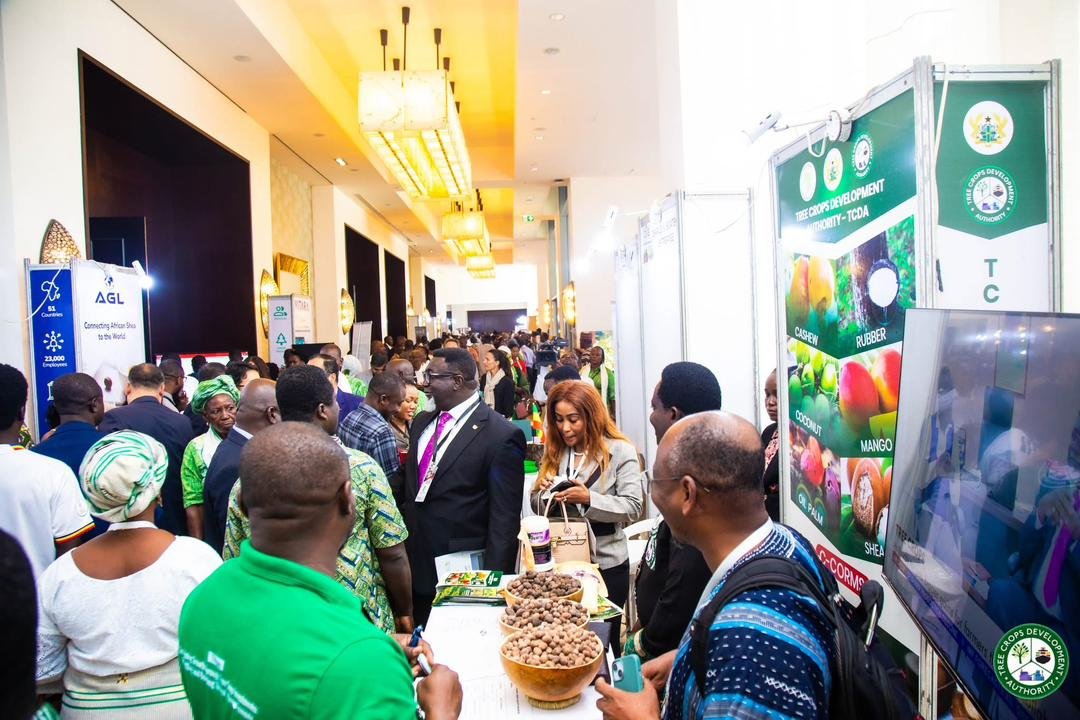
In April 2026, the Global Shea Alliance convened its flagship gathering—Shea 2026: Beyond Borders—in Accra. The conference brought together governments, private sector leaders, development partners, and producers from across Africa and beyond to examine the future of one of the continent’s most important natural assets: shea.
A central message emerged with clarity: Africa must move beyond exporting raw shea nuts and instead capture value through processing, refinement, and manufacturing. For decades, much of the economic benefit of shea has been realised outside the continent. That model is now being challenged, with increasing emphasis on local value addition as the pathway to unlocking the full economic potential of the shea sector.
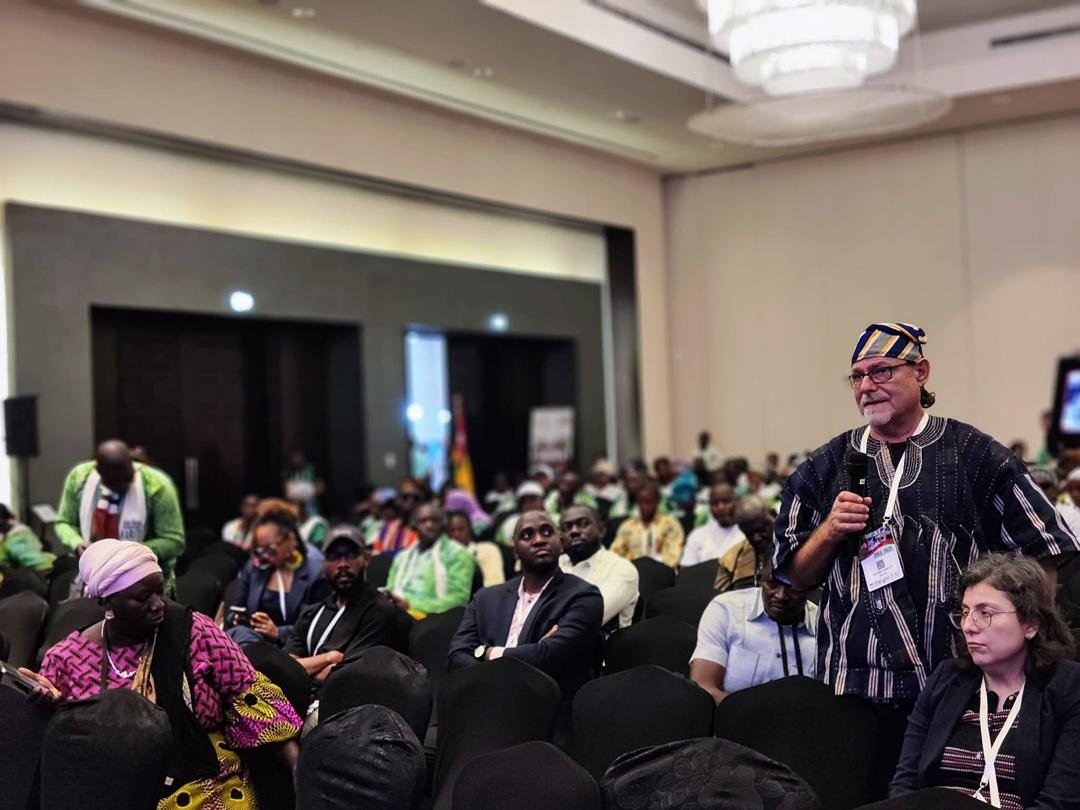
At the same time, the conference reaffirmed that the shea economy is deeply human. Across West Africa, women form the backbone of the value chain, from nut collection to primary processing. Yet many remain at the lowest end of the income ladder. A truly “beyond borders” approach, therefore, calls for a more inclusive system—one in which women are not only participants but also beneficiaries of increased value and opportunity.
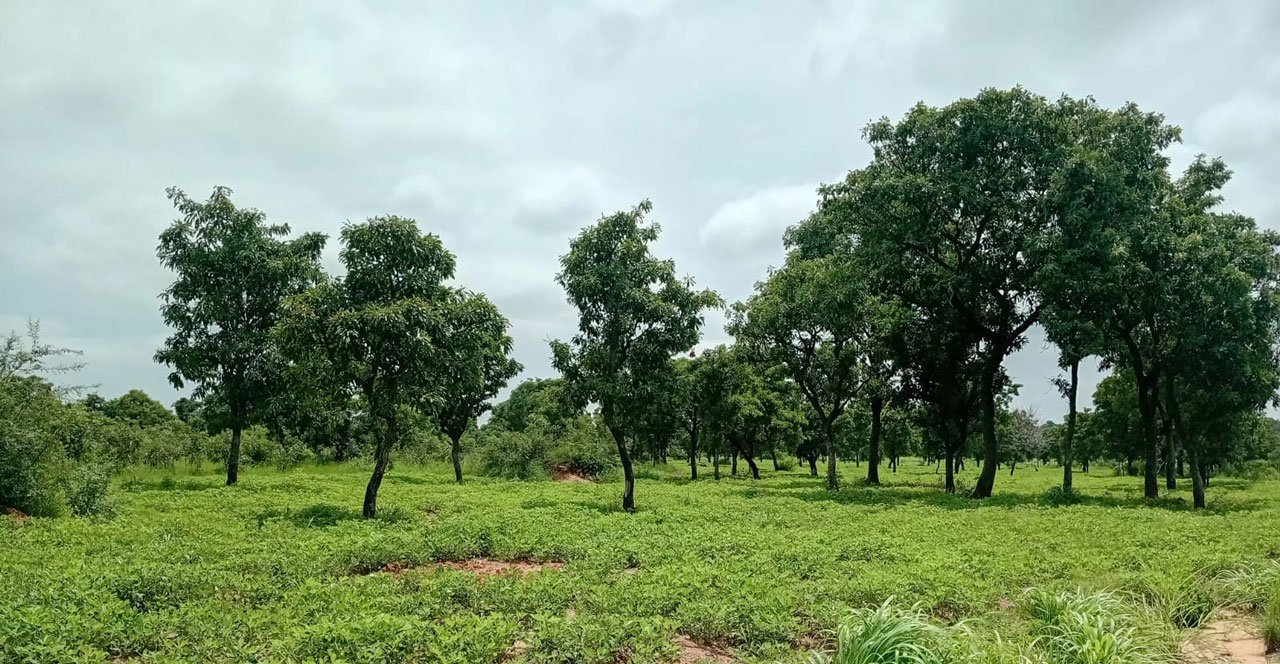
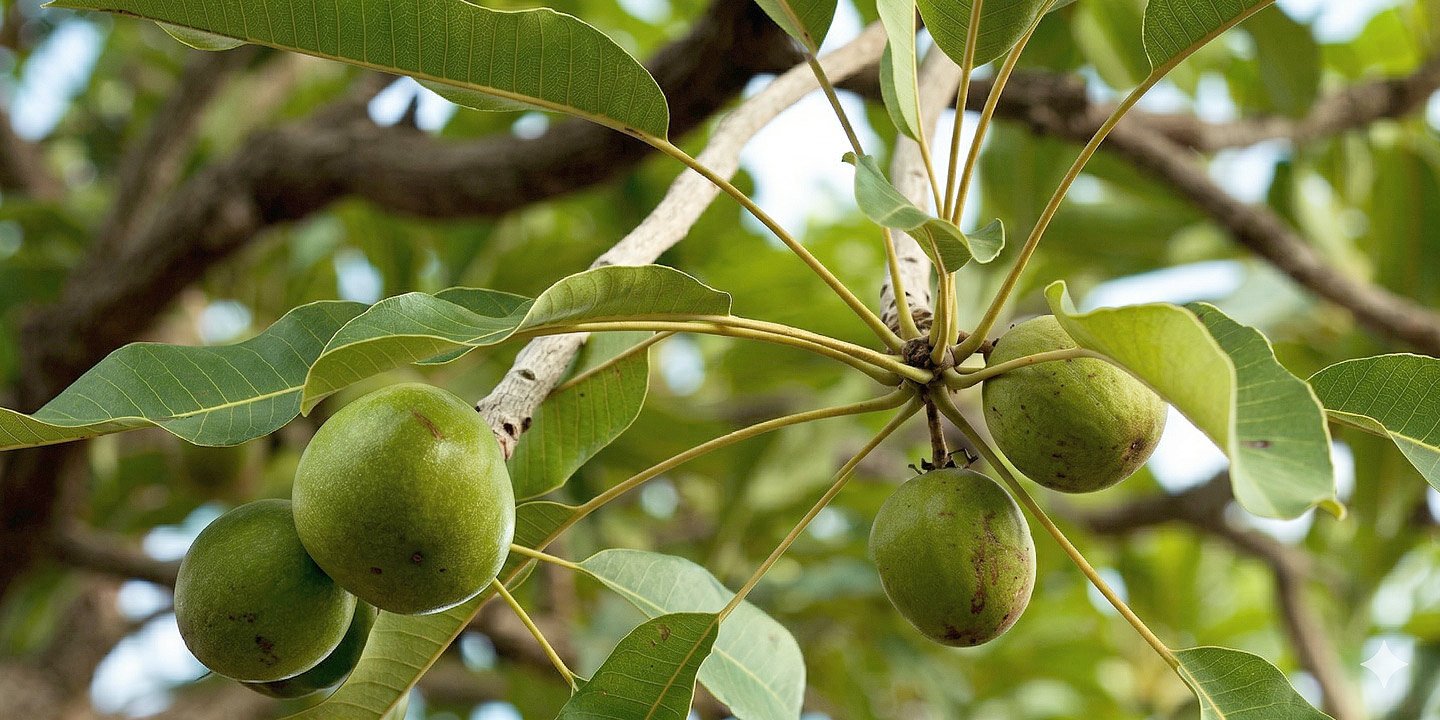
Beyond economics and inclusion, one of the most important insights from the conference was the recognition that shea cannot be separated from the landscape in which it grows. The shea tree is a natural component of the savannah ecosystem—supporting biodiversity, improving soil structure, and enhancing climate resilience. However, these parklands are under increasing pressure from land degradation, deforestation, and competing land uses.
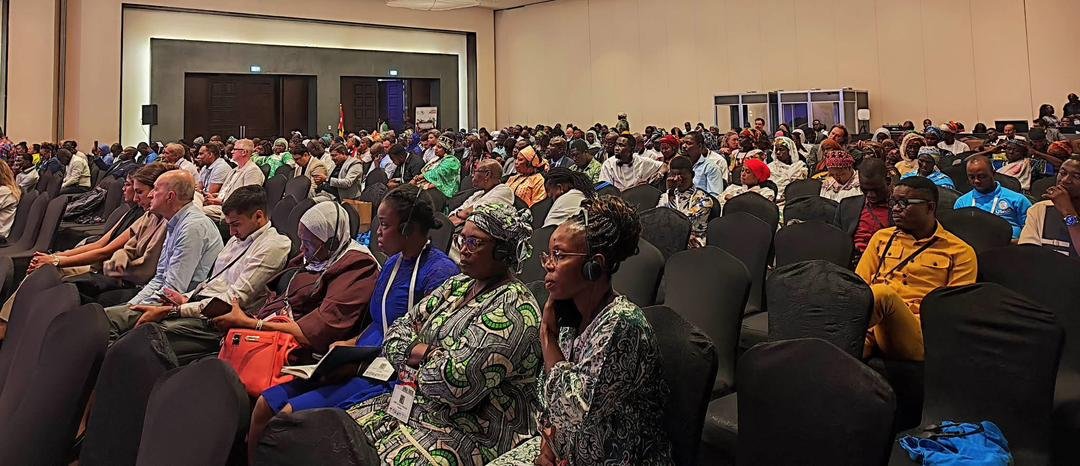
For Mamuci, this is where the opportunity—and responsibility—becomes most tangible.
Our work is centred on the creation of model forest systems in the savannah, with shea as the ecological and economic anchor. Rather than treating shea as a standalone commodity, we view it as part of a broader, integrated landscape approach that combines conservation, restoration, and commercial value creation.
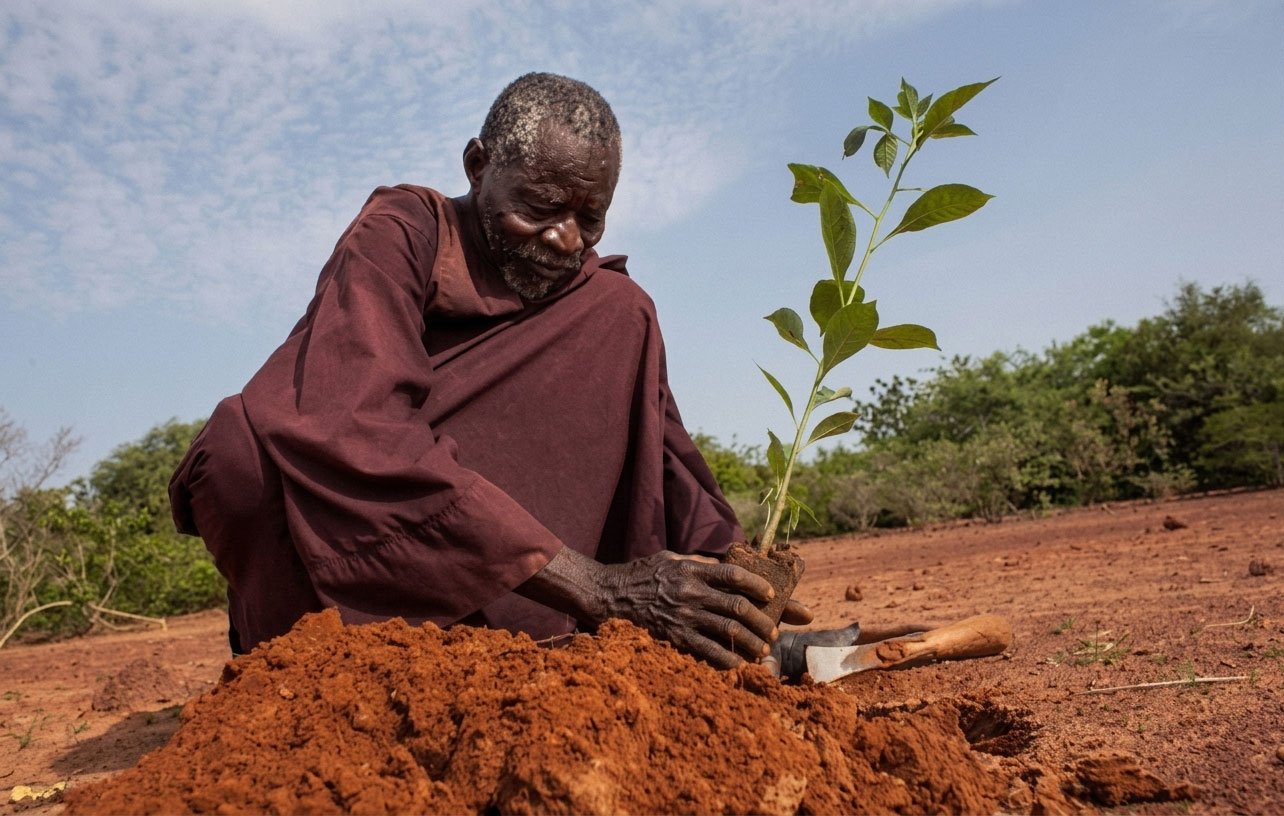
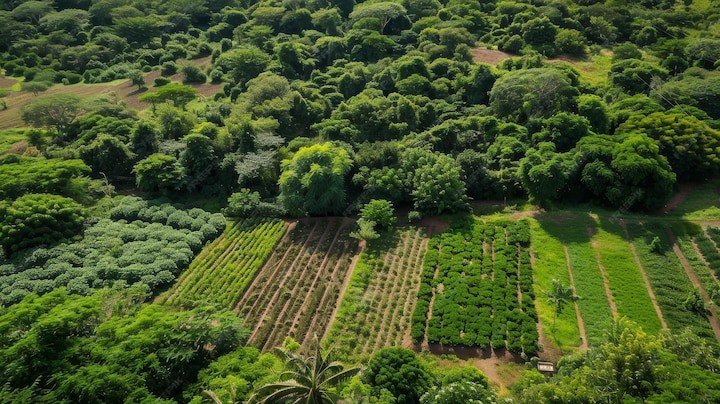
This model begins with preservation and regeneration. Existing shea trees are protected, while natural regeneration is encouraged across degraded areas. Around this anchor, we promote the cultivation of indigenous timber species suited to the local ecology, strengthening biodiversity and long-term environmental stability.
At the same time, we introduce commercial forestry components, including teak and other carefully selected exotic species, to create structured and scalable value. These species provide medium- to long-term revenue streams, supporting the financial sustainability of the model while reducing pressure on native ecosystems.
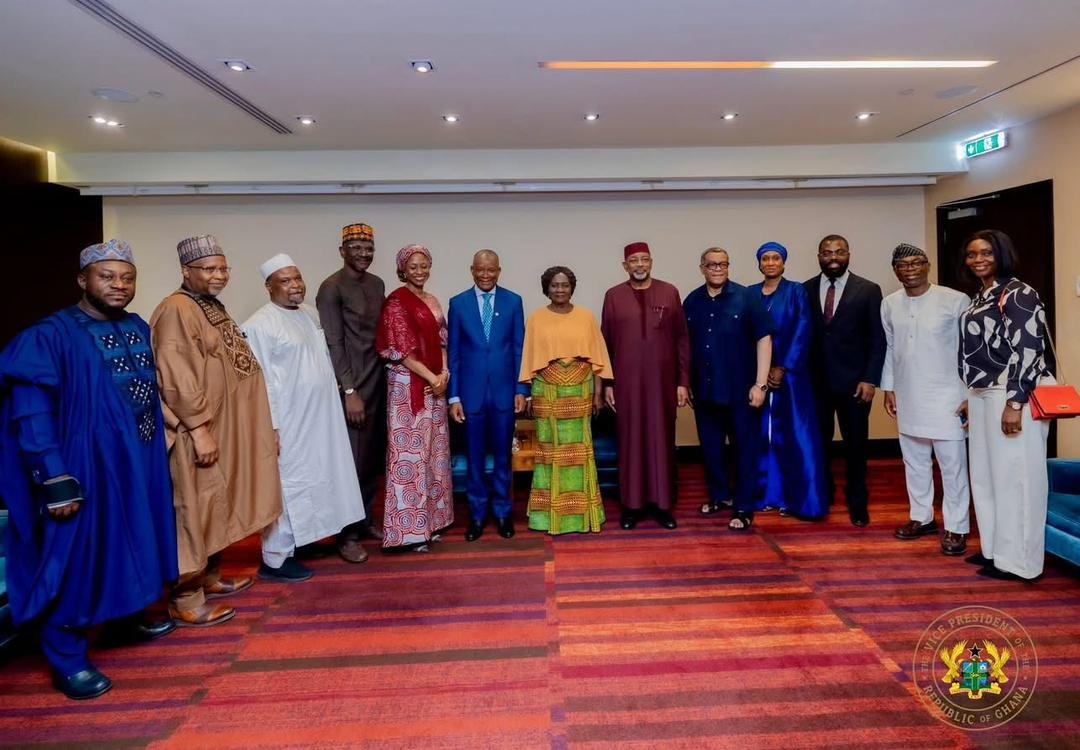
Crucially, Mamuci’s approach is designed to be repeatable across the shea belt. This is not a single-site intervention but a framework that can be adapted and deployed across multiple geographies—linking environmental restoration with economic opportunity at scale. Through this integrated system, the development of shea, the preservation of local biodiversity, and the cultivation of commercial timber are not separate activities but mutually reinforcing ones.
Given the geographical span of the shea belt across the Sahelian zone, this approach has implications beyond industry. It presents a practical mechanism for addressing one of the region’s most pressing environmental challenges: the gradual southward expansion of the Sahara Desert. By restoring tree cover, improving soil health, and creating sustainable land-use systems, model forests anchored in shea can contribute meaningfully to efforts to stabilise the landscape and combat desertification.
However, the long-term success of this vision depends on people. Communities must see clear and consistent value in maintaining and participating in the landscape. This is where engagement and utilisation become central.
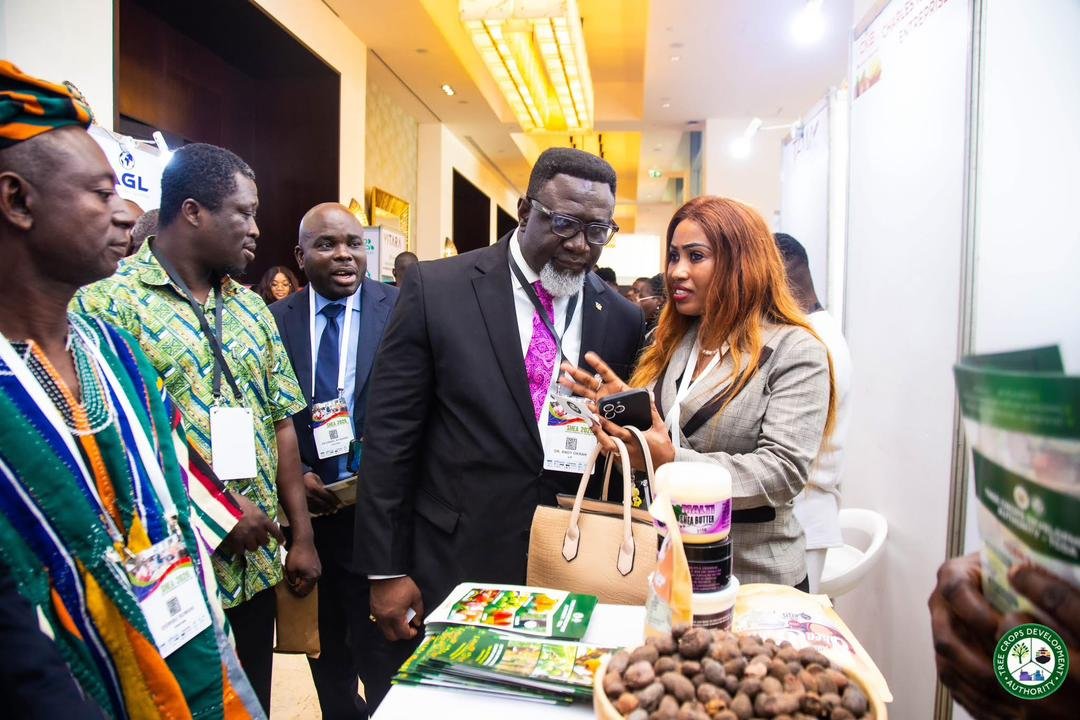
By strengthening the shea value chain—from responsible nut collection to processing and refinement—we ensure that local populations derive tangible economic benefit from the trees they help to preserve. When shea becomes a reliable source of income, it naturally incentivises conservation. In this way, utilisation is not extractive; it is sustainable and regenerative, reinforcing the health of the landscape over time.
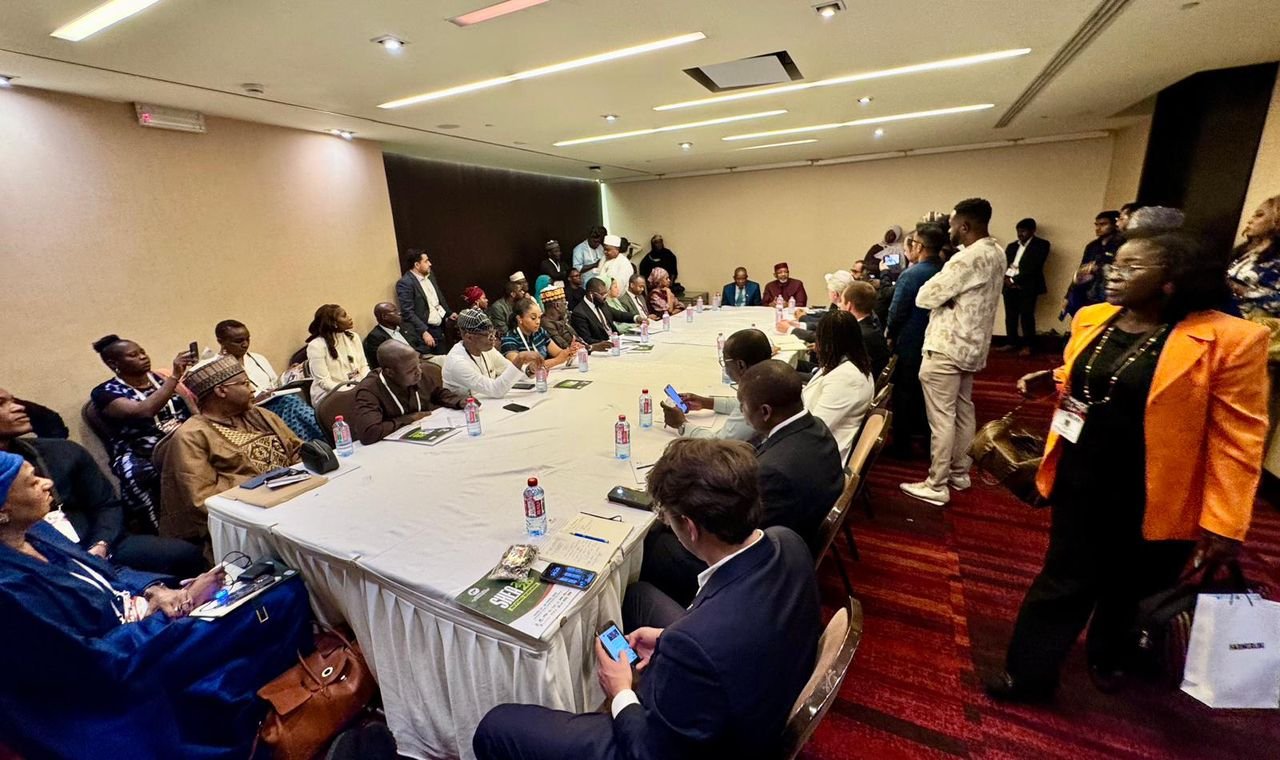
The conference also underscored the importance of collaboration across borders. The shea belt spans multiple countries, and meaningful transformation will require coordinated action, shared standards, and sustained investment across the region.
“Shea Beyond Borders” was ultimately a call to rethink Africa’s role in its own natural resource economy. For Mamuci, it reinforces a clear conviction: the future lies in integrated systems that restore landscapes, create value locally, and place communities—especially women—at the centre of that transformation.
With the right balance of stewardship and enterprise, shea can move beyond being a raw export commodity to become a cornerstone of sustainable development—and environmental resilience—across the African savannah.