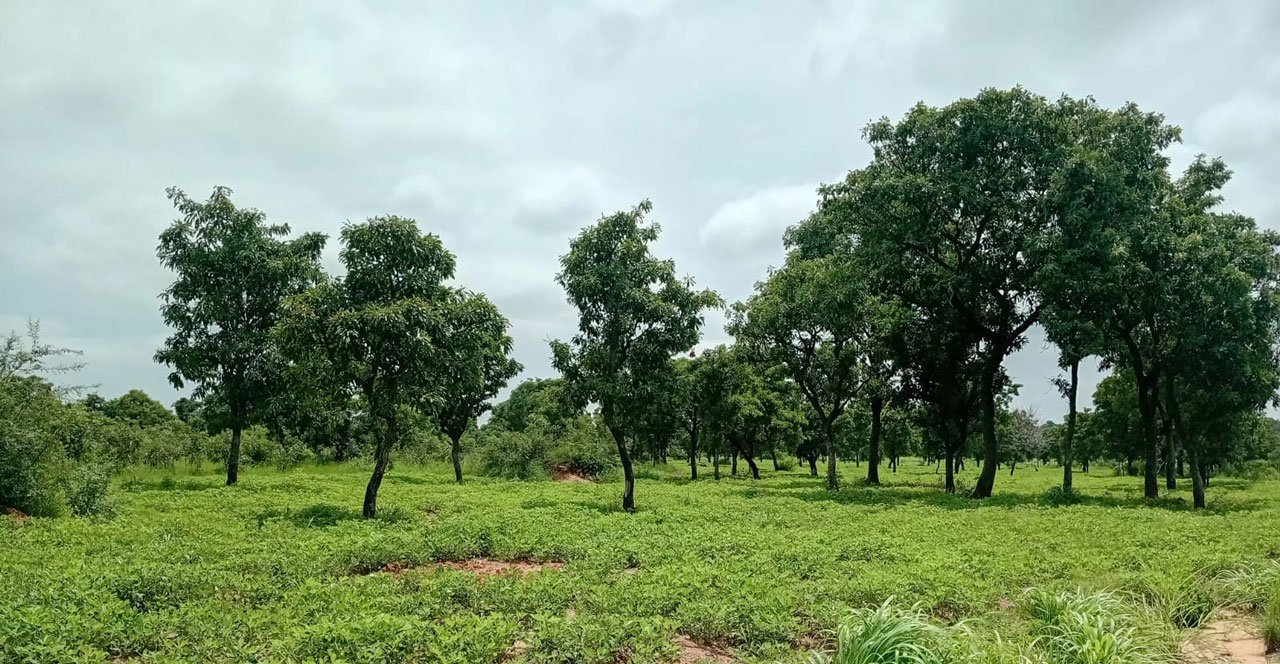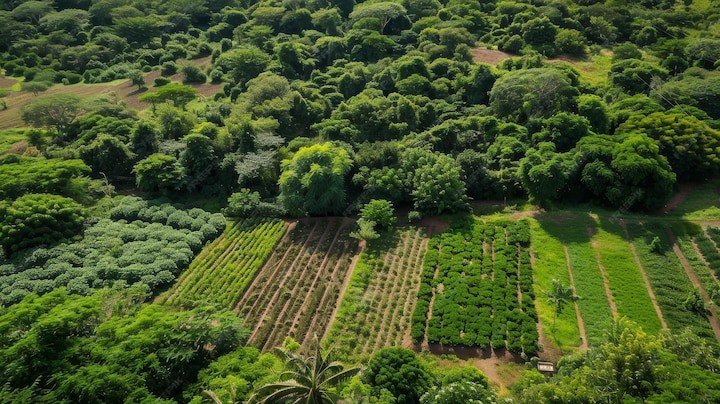
Across Ghana’s Savannah Region, communities, forests, and farmlands are tightly intertwined. Livelihoods depend on shea, fuelwood, grazing, smallholder farming, and forest resources—yet these landscapes face mounting pressure from wildfire, land degradation, unsustainable harvesting, and climate change. Mamuci is taking a bold step to reimagine this landscape through a Model Forest approach, blending commercial forestry, shea resource development, and ecological restoration into one integrated, community-centred system.
What Is a Model Forest?
A Model Forest is a large, multifunctional landscape managed through a broad partnership of communities, traditional leaders, government agencies, private companies, researchers, and land users. It is not merely a forest plantation. It is a collaborative platform where livelihoods, conservation, science, and sustainable business reinforce each other across an entire landscape.
Model Forests operate under principles of shared governance, sustainability, innovation, and inclusiveness. They provide space for long-term restoration, community participation, and climate-smart development while serving as learning sites for national and international partners.
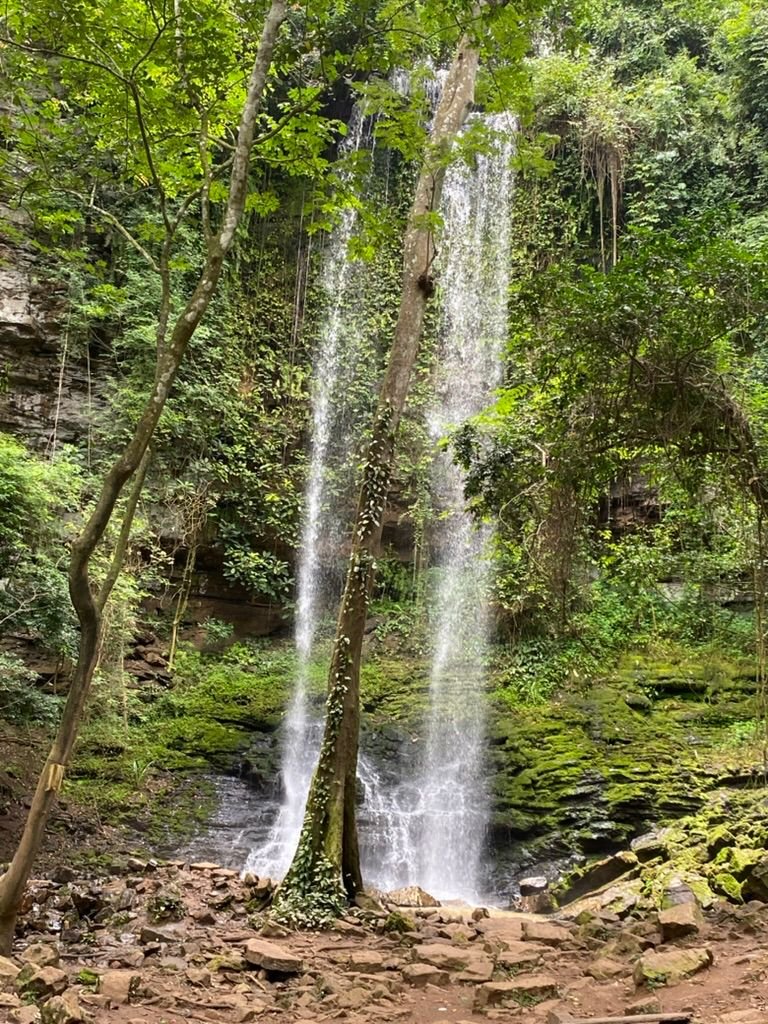
Why Mamuci’s Landscape Fits the Model Forest Vision
Mamuci’s project in Bole District brings together all the features of a modern Model Forest:
- Mixed Commercial Timber Forestation
The project introduces carefully selected timber species—including teak, gmelina, mahogany, and other climate-adapted varieties, established under sustainable forestry guidelines. Unlike old plantation models, these forests are designed for:
- Long-term yield across staggered harvest cycles
- Biodiversity enrichment through mixed species
- Reduced pressure on natural forest reserves
- Carbon sequestration and opportunities for verified carbon credits
Commercial forestry is not isolated but woven into a broader ecological and social framework.
- Shea Resource Management and Wild Shea Protection
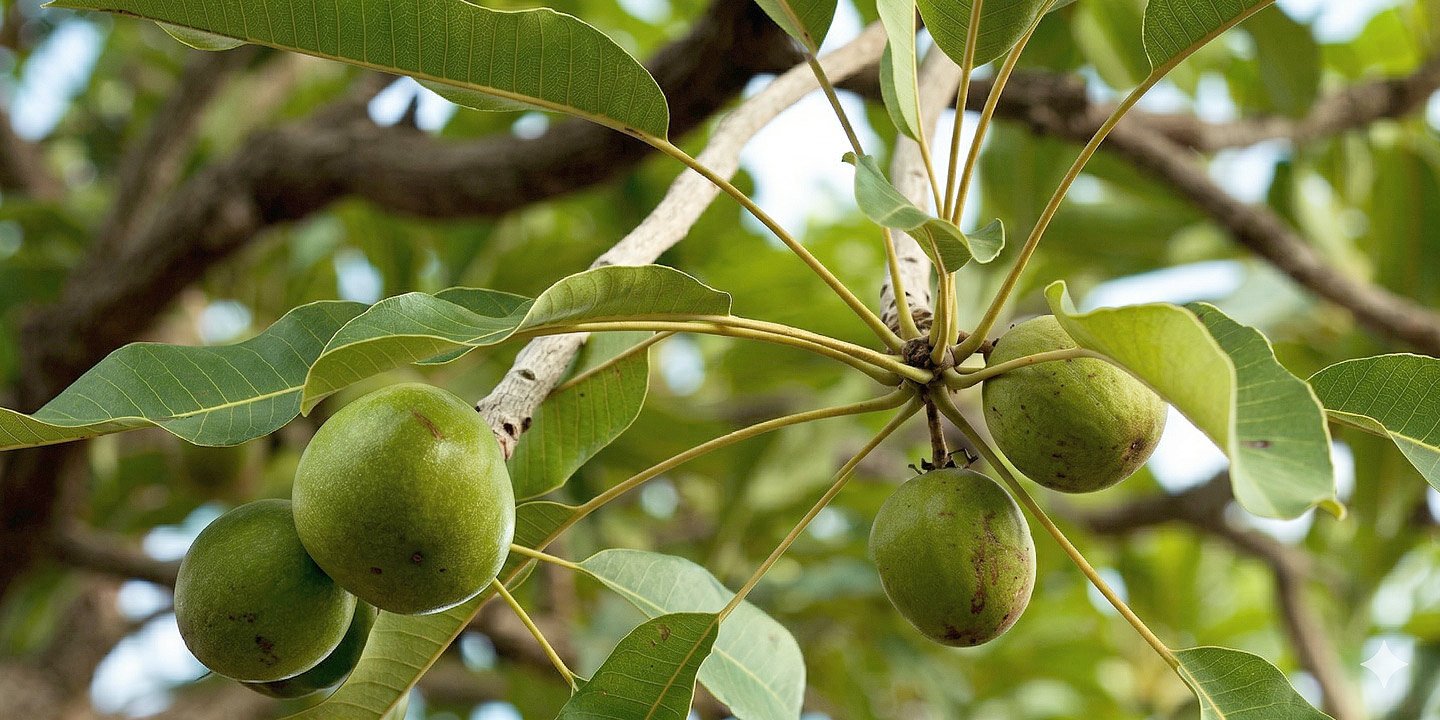
The Savannah landscape is naturally rich in wild shea trees. Mamuci’s Model Forest enhances this resource through:
- Protection and monitoring of existing wild shea stands
- Introduction of improved varieties in dedicated orchards
- Community systems for sustainable nut harvesting
- Shea value-addition linked to local women’s livelihoods
- Long-term nursery development and research partnerships
This positions shea as both an ecological asset and an economic engine for the region.
- Savannah Landscape Restoration
Large portions of the project area will be restored through:
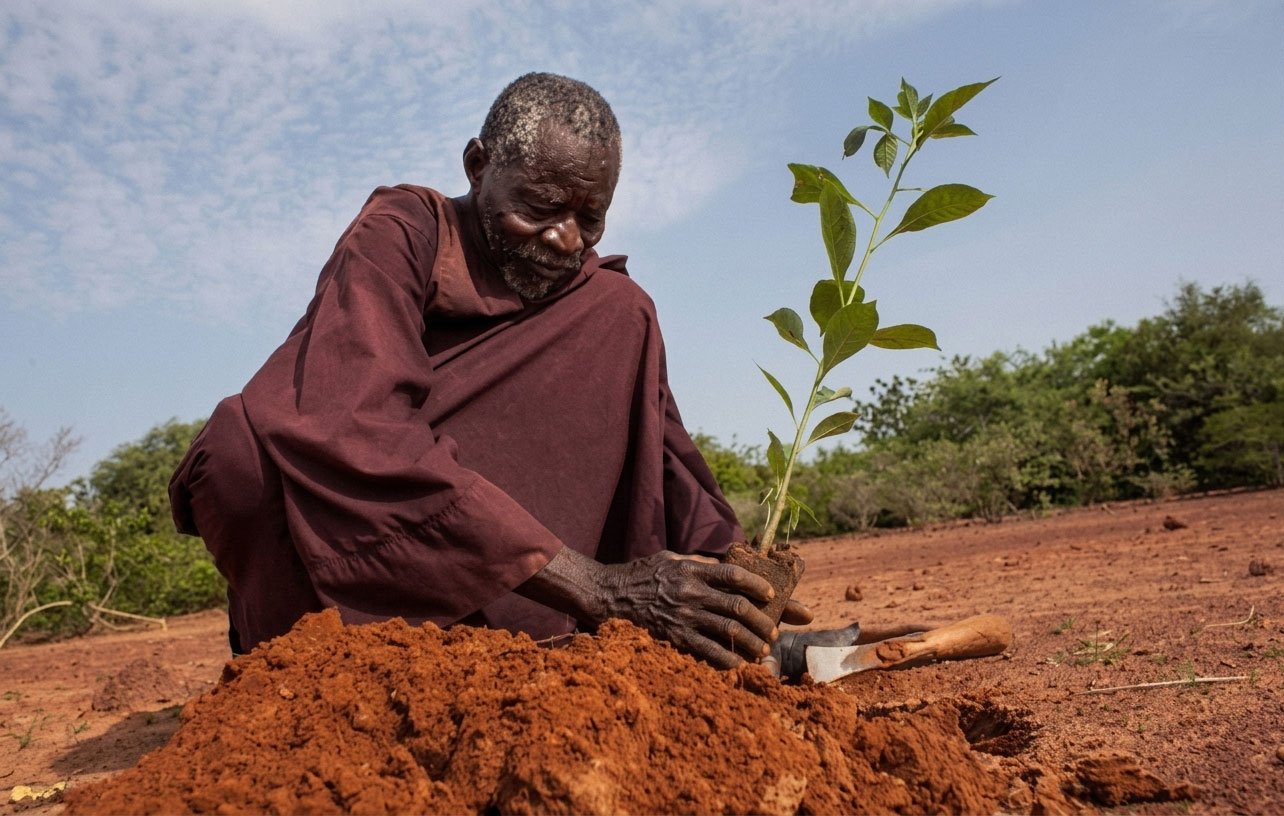
- Assisted natural regeneration (ANR)
- Native grass cover to reduce erosion
- Fire management and fuel-load reduction
- Riparian buffer protection
- Soil enhancement using biochar and organic amendments
These practices help revive degraded lands, improve soil moisture, and create stable habitats for wildlife and pollinators.
- Early Intercropping for Food Security and Community Benefit
During the early years of the plantation cycle—before canopy closure—farmers will be supported to grow food crops such as maize, legumes, vegetables, and grains between tree rows. This builds:
- Immediate income and food security
- Strong community buy-in and co-ownership
- Efficient land use
- Reduced weeding and maintenance costs in young plantations
Intercropping transforms the Model Forest into a living, productive landscape from day one.
A Living Laboratory for Innovation and Partnerships
Mamuci’s Model Forest will serve as a platform for:
- Research on shea genetics, timber growth rates, and soil improvement
- Demonstration plots for farmers and students
- Training in agroforestry, nursery management, and restoration skills
- Collaboration with chiefs, youth groups, government agencies, and investors
- Monitoring systems for carbon, biodiversity, and land health
This creates knowledge, jobs, and new opportunities across the district.
A Replicable Vision for Ghana and West Africa
By blending commercial timber, wild-shea stewardship, savannah restoration, and food production, Mamuci’s Model Forest becomes a flagship for sustainable development in northern Ghana. It shows how businesses and communities can jointly build wealth, restore nature, and strengthen climate resilience—while creating a blueprint that other landscapes across Ghana can adopt.